

Understanding the Factors Leading to Concrete Deterioration
Concrete is a durable material used in many building projects, but it is not without its vulnerabilities. Various factors can lead to concrete damage over time, compromising structural integrity and safety. Understanding these causes helps you take preventive measures or find effective solutions to fix any existing issues.
The Impact of Weather Conditions
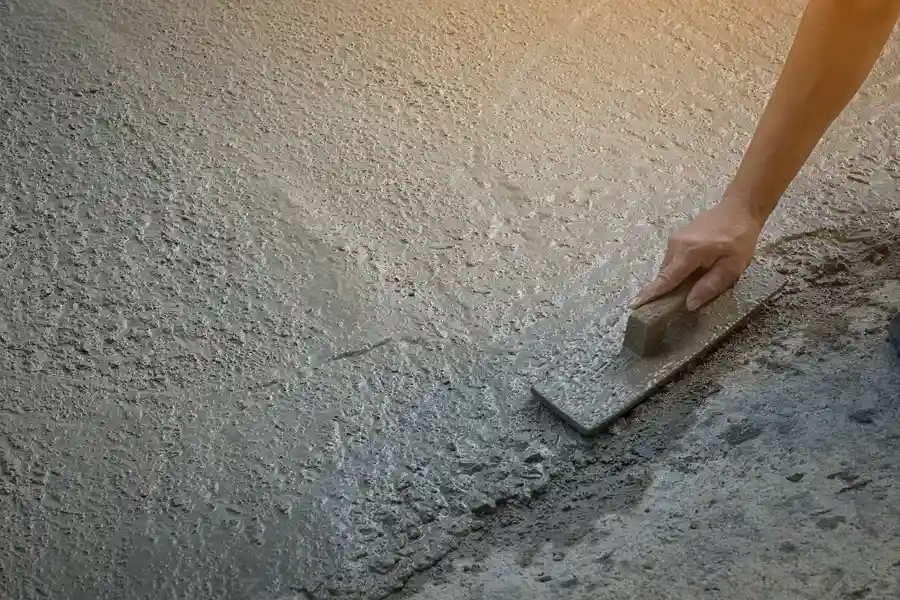
Weather conditions significantly affect concrete durability. Extreme temperatures, rain, snow, and freeze-thaw cycles cause cracks and surface spalling. Constant exposure to moisture makes concrete absorb water, expanding and contracting as temperatures fluctuate. This repeated action weakens the structure over time, leading to visible damage.
Poor Construction Practices
Inefficiencies in construction methods contribute greatly to concrete damage. Using low-quality materials, incorrect mixing ratios, or improper curing techniques can weaken the concrete’s strength. These practices often necessitate immediate attention through concrete repair to maintain the structure’s longevity and prevent further deterioration.
The Role of Chemical Exposure
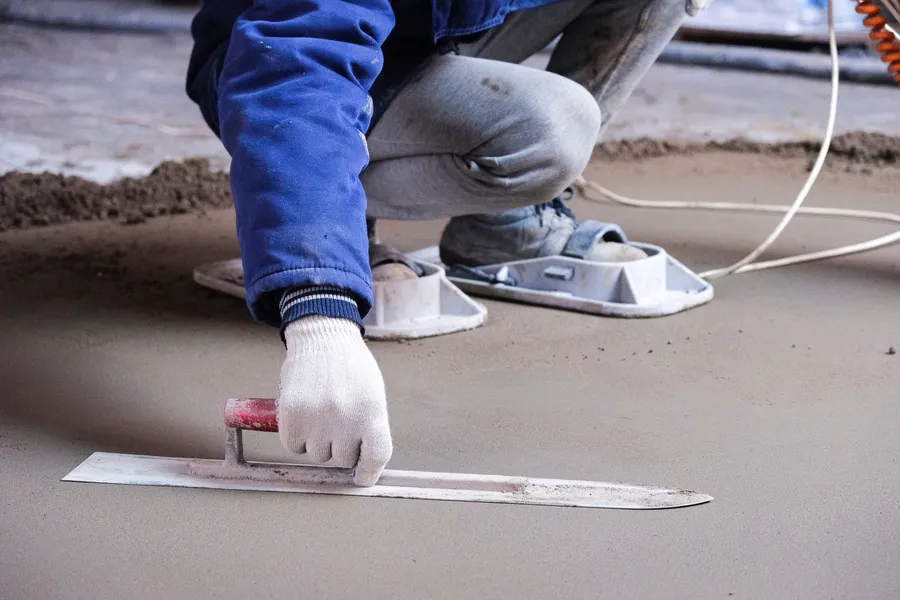
Chemical interactions play a role in damaging concrete. Exposure to deicing salts during winter or industrial chemicals can initiate chemical reactions that deteriorate the concrete surface. When chemicals penetrate deep into the structure, they react with the cement paste and weaken the concrete mix, requiring expert intervention such as concrete repair to restore functionality.
Structural Overloading Risks
Overloading a concrete structure beyond its designed capacity leads to stress fractures and other structural failures. When buildings are used for purposes other than originally intended or when additional weight from new infrastructure is added, the risk of damage increases. Proper assessment and load management are essential to prevent this kind of damage.
Importance of Regular Maintenance
Routine maintenance is crucial for preventing serious damage to concrete structures. Conducting regular inspections helps identify problems early before they escalate into costly repairs. Implementing routine cleaning schedules and sealing surfaces can mitigate potential risks from environmental exposure and wear.
- Inspect for cracks or signs of distress regularly.
- Keep surfaces clean from harmful substances like oil or chemicals.
- Seal joints and surfaces to block moisture ingress.
Environmental Degradation Explained
Naturally occurring phenomena like erosion, vegetation growth, and seismic activity also impact concrete stability. Erosion wears away protective layers, while tree roots can intrude and crack the foundation. Earthquakes cause abrupt shifts that might compromise integrity. Addressing environmental threats involves both monitoring and using more resilient materials where necessary.
Expert Recommendations for Prevention
Adopting best practices in construction and maintenance reduces the likelihood of concrete damage. Use high-quality materials suitable for your specific environment, ensure proper drainage systems are in place, and consult professionals for structural assessments when planning additions or changes to existing structures. In case of noticeable damage, timely interventions minimize escalation.
- Use quality aggregates and cement mixtures.
- Ensure adequate curing times post-construction.
- Implement effective drainage solutions around structures.
- Engage experts for comprehensive evaluations before remodeling or expansion.
Your Partner in Maintaining Structural Integrity
If you’re facing any issues with your concrete structures, do not hesitate to get professional assistance. Located in Providence, RI, I offer specialized services for maintaining and restoring your property’s value. Contact me at (401) 688-7484 for reliable guidance tailored to your needs. With Jangel Solutions, you can enhance your building’s performance and lifespan efficiently.